
Microsoft Copilot: Everything you need to know about Microsoft's artificial intelligence
March 4, 2025
Microsoft 365 Copilot is simplifying the process of importing data into Excel.
March 8, 2025
When it comes to computer operating systems, there's no doubt that Microsoft Windows is definitely the most popular choice. According to StatCounter, as of May 2018, 81.73 percent of all computer users were running some version of Windows. Yes, over 80 percent of computer users.
Windows, as an operating system, has been able to gain a strong position in the computer systems market since its initial introduction in the 1980s. This success is not only due to its reputation and age, but also due to the unique features and capabilities that Windows offers. In the business world, choosing the right operating system can have a direct impact on the productivity, efficiency, and even security of organizations. Windows, due to its wide range of features and high adaptability, has been able to meet the diverse needs of companies.
The main reasons why many companies choose Windows include its high compatibility with commercial software, ease of use, security, and wide support for various hardware. These factors, along with constant updates and strong support from Microsoft, make Windows an ideal choice for many organizations. We will take a closer look at these factors below to see why Windows continues to be the flagship of commercial operating systems.
Better applications
Better applications
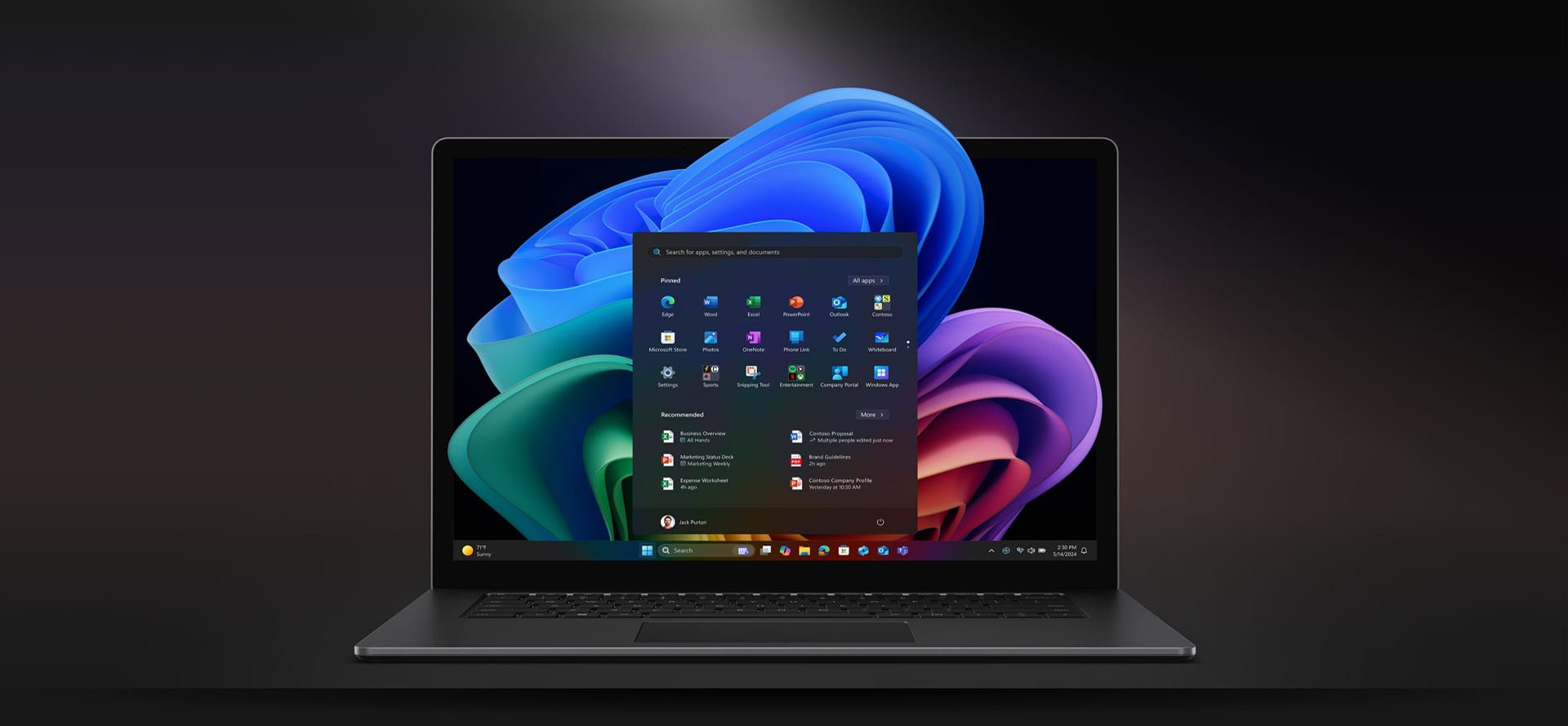
The apps available for Windows have exceptional features compared to other platforms. This doesn’t mean that Windows is the only platform with the best software, as there are actually highly developed apps made for other platforms as well. But when we look at the bigger picture, we realize that Windows-based apps look superior compared to their counterparts.
A prime example of this is the Microsoft Office suite. This suite of software, which includes popular programs like Word, Excel, PowerPoint, and Outlook, is considered one of the most powerful productivity tools. Although Microsoft Office is available for both Windows and Mac users, the Windows version of the experience is much more advanced than the Mac version. The Windows version of Office has features and functionality that are not available in the Mac version or are not as advanced. These differences can have a big impact, especially in work environments that require high productivity.
In addition to Office, many specialized and industrial software are also designed for Windows. Software such as AutoCAD for engineering designs, Adobe Creative Suite for graphics and editing, and accounting software such as QuickBooks are all optimized for Windows. These software are not only designed for Windows, but are usually developed first for Windows, and then ported to other platforms. This development trend indicates the importance and priority of Windows for large software companies.
Another feature that sets Windows applications apart is their extensive support and regular updates. Software companies usually release updates and patches for Windows first. These updates include security improvements, bug fixes, and new features. For businesses, having software that is updated regularly increases the reliability and security of their systems.
Windows, due to its open structure, has a greater variety of software. From simple and free tools to advanced and expensive software, everything can be run on Windows. This variety allows companies to choose and use appropriate software based on their specific needs. On the other hand, Windows' high compatibility with various hardware, from desktop computers to large servers, allows software to run with high performance.
Windows has a large community of software developers who are constantly creating and improving applications. This active and dynamic community of developers helps create innovative and useful software and keeps Windows at the forefront of technology. Also, the availability of educational resources and support makes it easier for users to learn and use these applications.
In short, Windows-based applications are the ideal choice for many companies and organizations due to their high compatibility, breadth, strong support, and regular updates. These features make Windows continue to be a powerful and popular platform in the business world.
Popularity
Popularity
The usage statistics themselves speak for themselves about Windows’ popularity. Since Windows is more familiar to people than any other operating system, it makes sense for organizations to choose an option that requires less training and is more comfortable for users to use. Almost every computer user has used Windows at some point, but the reverse is not necessarily true.
One of the main reasons for Windows' popularity is its familiarity with users. This operating system has been used in schools, universities, and workplaces for years, so many people are familiar with it from childhood to adulthood. This widespread familiarity means that organizations do not need to spend a lot of time and money on training employees. Employees can easily work with Windows systems when they enter a new workplace, because they have already had experience working with it.
Additionally, the widespread use of Windows makes collaboration and compatibility with other organizations smoother. In the market, Windows is the dominant operating system, and many companies and organizations use this platform. If a business wants to remain compatible with its partners and stakeholders, using Windows makes sense. This compatibility means that partnerships and business transactions do not need to suffer the annoying stress of incompatible files and inconsistent performance.
For example, imagine a graphic design company working with a marketing firm. If both companies use Windows, it will be much easier to transfer files, run common software, and coordinate between teams. But if one company uses a different operating system, there is a possibility of problems such as file incompatibility and the need to convert formats. These problems can waste a lot of time and energy and hurt the productivity of the teams.
On the other hand, the popularity of Windows has led to the development of a large number of specialized software and tools for this platform. Many software companies first develop the Windows version of their products and then move on to other platforms. This development trend indicates the importance and priority of Windows in the software world, and by choosing Windows, organizations will have access to a wide range of functional and professional software.
Overall, the popularity of Windows makes it a logical and strategic choice for many organizations and businesses, not only because of its technical capabilities and features, but also because of its compatibility, user familiarity, and breadth of available software. These factors make Windows remain a popular and widely used operating system in the business world.
More software
More software
Without a doubt, Windows has the largest selection of software for its platform compared to other operating systems. It allows users to choose from a variety of options. This healthy competition motivates developers to offer the best applications without any restrictions. Any shortcoming of the best can lead to users choosing other applications. This alone motivates software developers to offer superior solutions that meet the needs of users in the best possible way.
In a Windows-dominated environment, software developers know very well that users can easily switch to competing programs. Therefore, they must constantly improve their products and offer new features to attract users. This competition results in the production of high-quality and innovative software that meets the diverse needs of users. For example, in the field of image editing, users using Windows can choose from numerous software such as Adobe Photoshop, GIMP, CorelDRAW, and many others. Each of these software has its own unique features, and their developers are constantly adding new features and improving performance to satisfy users.
On the other hand, with less popular operating systems, there are fewer software options available to users. This limited choice means that users only have to choose the closest working option. When there is no element of competitive software development, it can make developers lazy. Because users will be forced to use a lower quality product because there is no better option. For example, Linux users may be faced with a limited number of specialized software in some areas. Although the Linux community is very passionate and active due to its freedom and open source, many professional and commercial software are still developed first for Windows and then ported to Linux, or do not have a Linux version at all.
In the Windows world, this variety of software allows users to find software that exactly meets their needs. From simple, free tools to advanced, expensive software, everything runs on Windows. This variety allows companies and individual users to choose and use software that suits their specific needs. It also allows every user, regardless of their level of expertise or budget, to find high-quality software for their work.
Finally, the large community of developers and users of Windows helps software developers receive more feedback and improve their products based on it. This cycle of continuous feedback and improvement increases the overall quality of software available for Windows and encourages users to continue using this platform. In this way, Windows remains one of the most popular and widely used operating systems in the world of business and commerce, benefiting from the diversity and high quality of software.
cost
cost
Cost is a major factor in choosing an operating system for organizations and users, but it's not just about comparing the price tag of an operating system. Other factors such as the need for user retraining, compatibility with existing hardware, and feature parity also play a role in the final bill.
One of the issues to consider when choosing an operating system is the cost of ownership and maintenance. This includes the purchase price of the operating system as well as the costs associated with its installation, initial setup, and ongoing maintenance. For example, some operating systems, such as Apple's macOS, are more expensive to purchase initially, but they typically require less maintenance, which can reduce the overall cost in the long run.
Compatibility of the operating system with existing hardware is also of great importance. The costs of hardware equipment can influence the final decision on the operating system; so the choice of operating system should be accompanied by access to more developed hardware, which can offer additional benefits.
Carefully examining the various costs and paying attention to the advantages and disadvantages of each option helps users make a smarter choice based on their real needs. Also, consulting with experts can provide further assistance in this decision-making process and help make a better choice for the organization or individual.
User-friendly interface
User-friendly interface
One of the main reasons why companies and organizations choose Windows as their primary operating system is its intuitive and user-friendly interface. Windows offers its users a simple and consistent environment, which is especially suitable for people who are not very familiar with technology.
Windows provides a simple and consistent user interface that allows users to easily learn and use its features. This is an important feature that helps users quickly work with the system and improve their performance with minimal training.
The familiar user interface and the use of similar patterns and designs across Windows applications and programs allow users to quickly adapt to the environment. This faster adaptation means less time required for retraining and learning, which helps the organization's overall productivity.
Windows minimizes the learning curve by providing a clear, standardized user interface. Users can quickly acquire the skills they need and get started without having to spend a long time getting familiar with the system. This improved learning process gives users more confidence in using the system and directly contributes to productivity and improved performance.
Therefore, the user-friendly and simple Windows interface is one of the important factors that encourage companies and organizations to choose Windows over other operating systems, as it reduces costs and increases user productivity.
Comprehensive Windows software ecosystem
Comprehensive Windows software ecosystem
Windows is significantly different from other operating systems by having a vast ecosystem of software applications. This operating system is able to support a wide range of software tools that include diverse functions from accounting and resource management to graphic design and data analysis. In other words, Windows allows companies to use different tools without any compatibility issues and best meet their business needs.
This broad software support has made Windows a mainstream and versatile choice for companies and organizations worldwide. Given this diversity and capabilities, Windows is chosen as a primary platform for running critical business applications, enabling companies to have high flexibility and take advantage of modern technologies in the best possible way.
Security features
Security features
Windows is considered one of the leading operating systems in the field of cybersecurity in today's digital age due to the advanced security features it offers. The operating system has security as a top priority and offers users robust features such as BitLocker encryption, Windows Defender, and automatic updates.
One of the prominent security features of Windows is the use of BitLocker, which allows for drive encryption and protects sensitive information from unauthorized access. This tool allows users to encrypt their drives using strong algorithms, which ensures that their data is protected in the event of unauthorized access.
Windows Defender, as an integrated security platform, provides detection and response to various Internet threats. This Windows-specific program provides protection for the operating system against viruses, malware, phishing programs, and other digital threats, giving users greater confidence in using their systems.
Additionally, Windows Automatic Updates leverage the most advanced security protocols and technologies by delivering continuous security updates. This allows users to use emerging threats without worry and to be confident that their sensitive company data is protected.
With all these advanced security features, Windows, as a mainstream platform for businesses and organizations, is the best option for protecting sensitive data and facing security challenges in the modern digital world.
Support
Support
Microsoft offers businesses extensive support services for Windows, including detailed documentation, customer service, and a vibrant community. These services ensure that businesses are available whenever they need professional help. This level of support is often more comprehensive than that available for other operating systems, ensuring that any issues are resolved quickly and system downtime is minimized.
With access to detailed documentation, companies can quickly find solutions to their problems and, when necessary, contact customer service for professional assistance. Additionally, a vibrant social community allows users to share their experiences and solutions and benefit from shared knowledge.
This type of enterprise support addresses companies' Windows-related needs and ensures that any problems are resolved quickly, reducing repair time and increasing the productivity of the company's information systems.
In conclusion, it can be said that Windows has become one of the top and most popular operating systems in the world due to the amazing features and capabilities it offers. With extensive application support, strong security, advanced customization capabilities, and unique customer service, Windows not only meets the needs of companies, but also allows them to make the most of technology and lead their businesses to success. For this reason, Windows remains a trusted and efficient option for companies to achieve their technology and business goals.